
Taiwan Industry Lecture__If the world stopped for us for 30 seconds, what would we want to say through animation?
Date & Time: 10/30 (THU) 10:30~12:10
Location: Literary Arts Ecology Hall K301
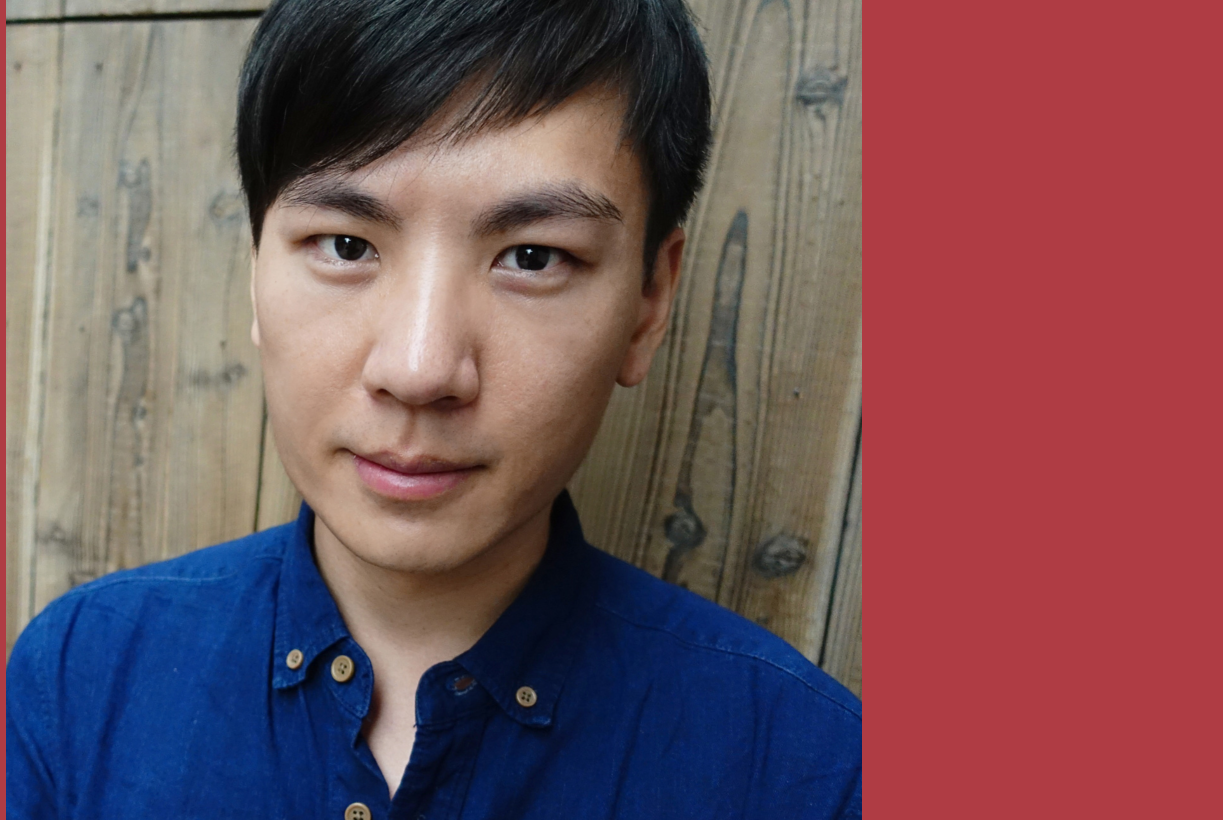
Keynote Speaker: Hsun Chun, Chuang
Graduated from the Graduate Institute of Design at National Taiwan University of Science and Technology, the director gained early international recognition with the animated short THE MAGICAL EYEBALL (2009), which won the Red Dot Design Award. He also became the first Taiwanese animation director selected for the Ars Electronica Festival in Austria.
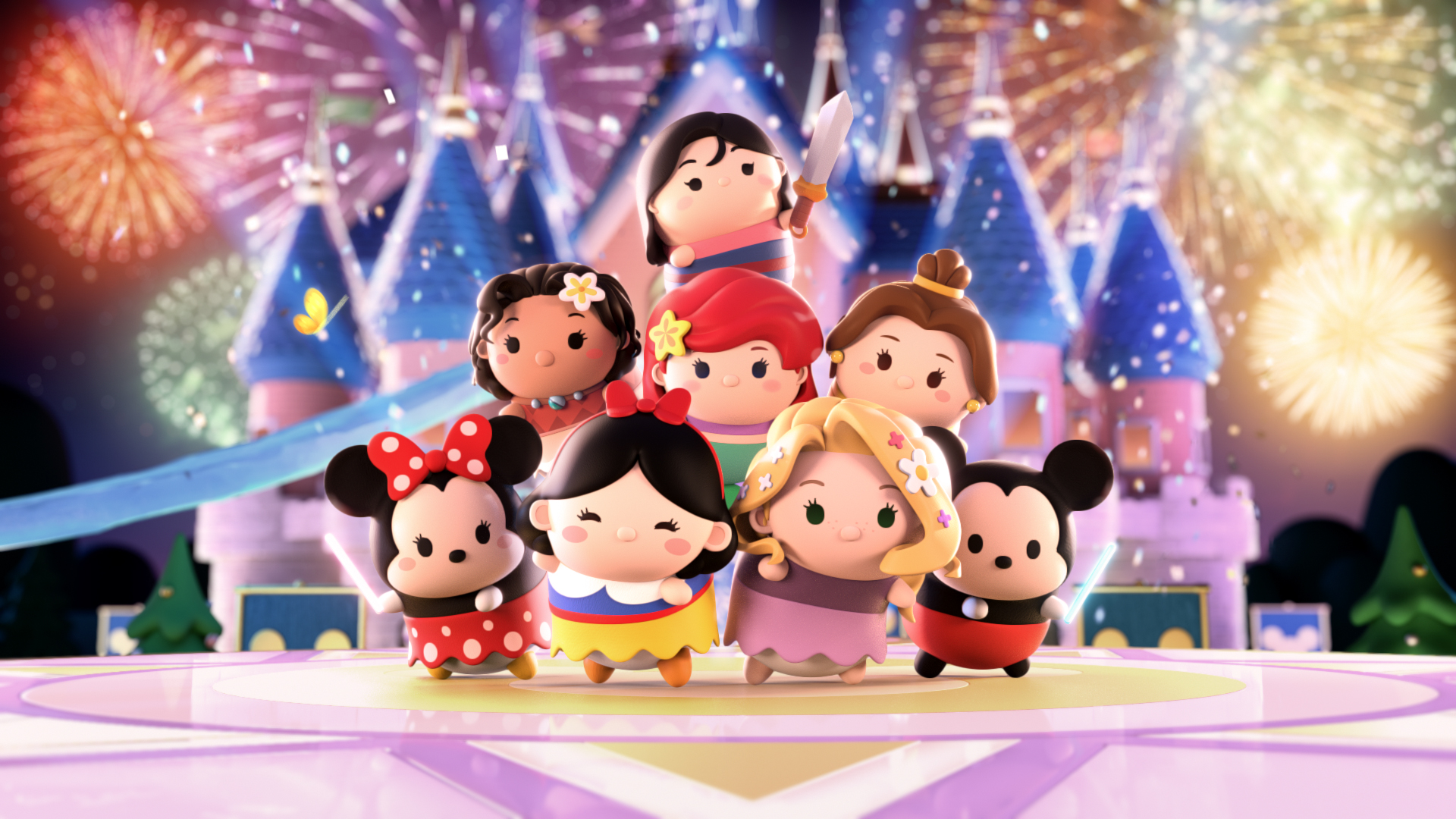
Specializing in 3D character design and creative direction, he crafts humorous and heartwarming stories featuring engaging characters. His works are known for their charming visual style, rich detail, and strong personality, earning collaborations with brands such as Disney, LINE, MSI, Morinaga (Japan), and Tencent Games.
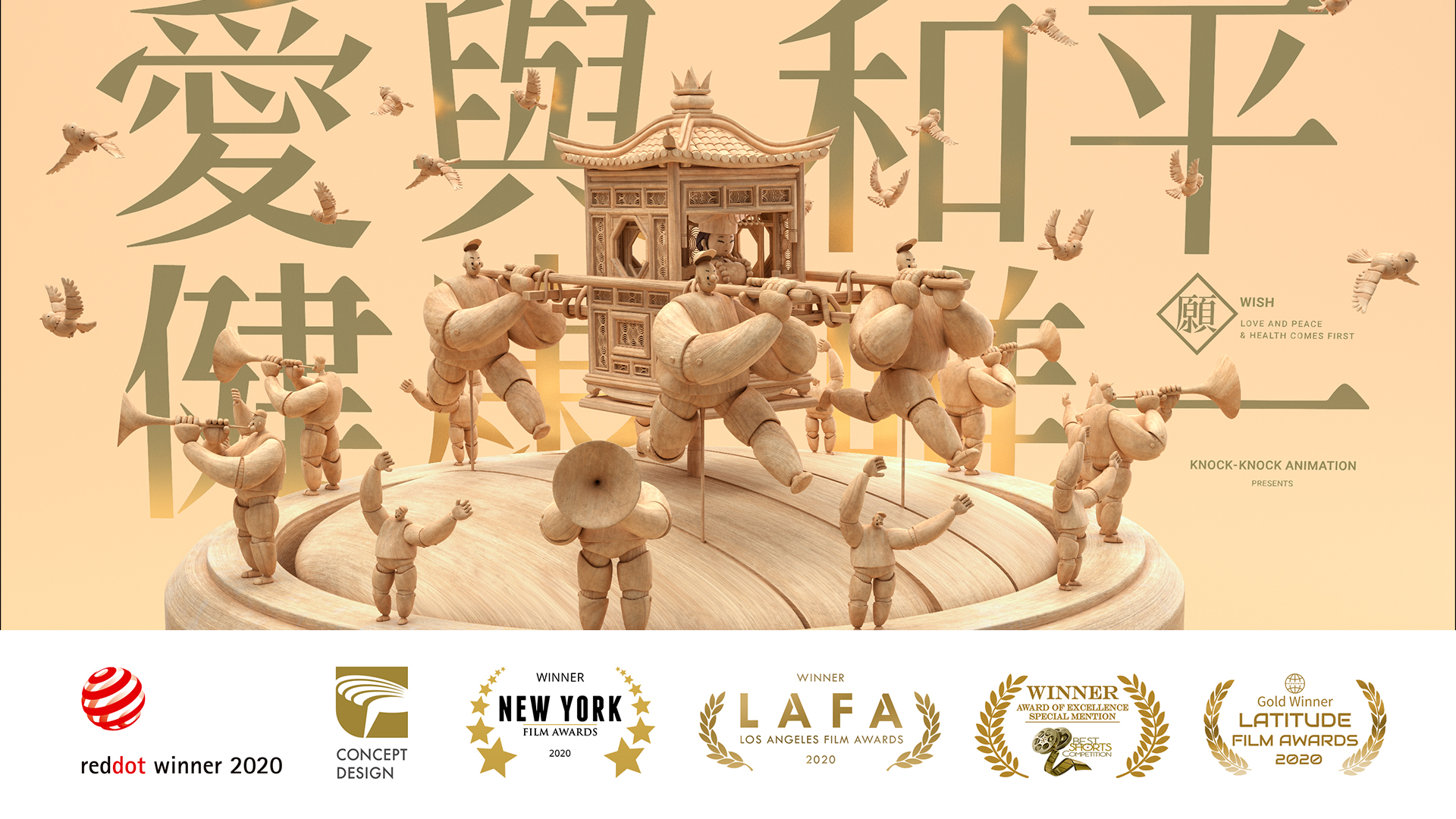
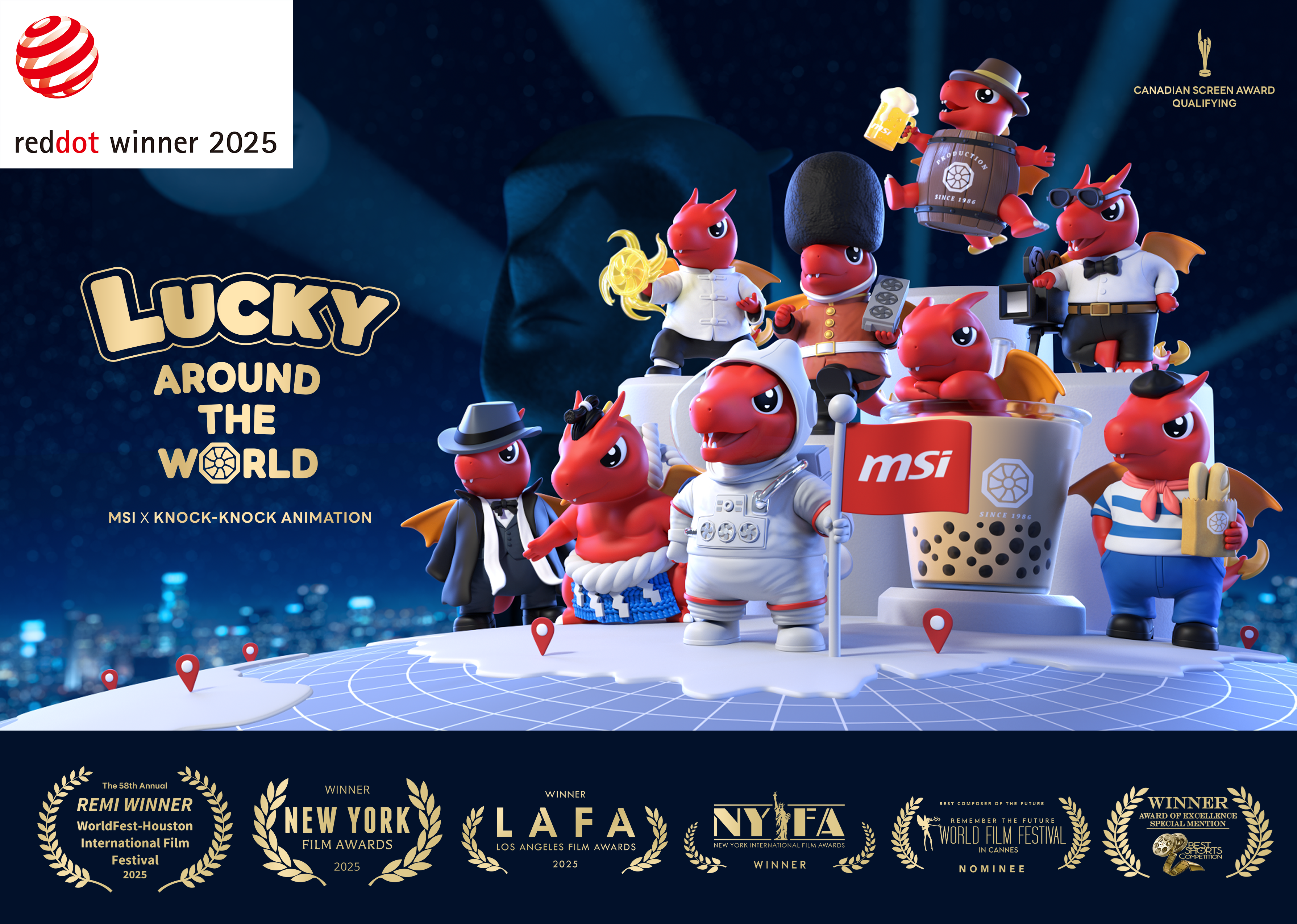
His original and commercial animated works — including Switch Man (2015), My Son NN (2018), Mazu’s Blessing Parade (2020), MOLOKA (2022), The Multiverse of Happy Generation (2023), The Cuckoo Clock’s Call of Happiness (2024), and MSI – Lucky Around the World (2025) — have collectively received over 300 international awards and official selections. These works have broken records for single-title award wins in Asian animated short films and have been screened in 15 countries, including the United States, Canada, France, the United Kingdom, Germany, Japan, Italy, Spain, Australia, Russia, South Korea, and the Czech Republic.
Animation is an art form of communication, a concept that transcends commercial or original creation, bringing a unique power to the audience. Interestingly, the audience is not the director or creator; they are not obligated to digest content they don't understand or find boring. Furthermore, the rapid growth of short animated films and the rise of technology are compressing the prime time for audience curiosity. If we want to capture those 30 seconds, do we have the right mindset and strategy to drive our animation to achieve this goal?
Writer: Lin, Tsai
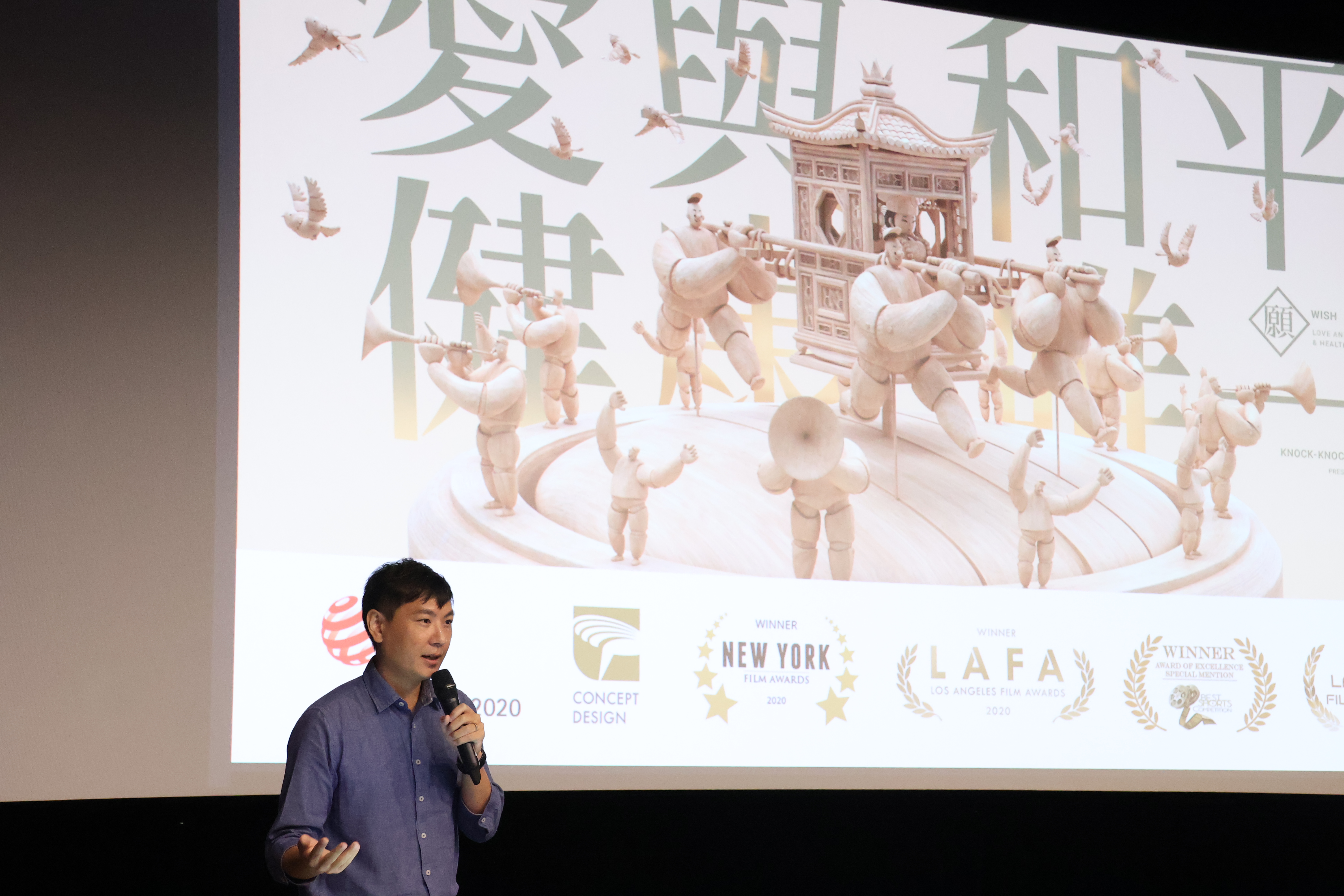
In today’s fast-paced, information-saturated era, animation is not just entertainment but a medium capable of evoking empathy and conveying belief. During the 2025 Kuandu International Animation Festival, renowned director Chuang Hsuan-Chun gave a talk titled “If the World Stopped for 30 Seconds, What Would We Say Through Animation?” He shared how personal experience fuels creativity and how intimate emotions can transform into globally recognized works.
The Starting Point of Creation: Turning Daily Life into Global Recognition
For Chuang, creativity often begins with authentic personal experience.
His career started in 2008 with a 3D short film exploring the cycle of greed and retribution, which made him the first Taiwanese creator to be selected for the Ars Electronica Festival in Austria. The film later won a Red Dot Award and was featured by NHK, marking a powerful start to his international journey.
A few years later, his short film "Switch” flipped the familiar “superhero transformation fails” trope, winning multiple festival awards. Chuang explained that a mere story of failure would be dull, so he reframed it: “Losing a hundred times can still mean winning.”
Another short, qualified for Oscar consideration, drew from his chaotic parenting life. He vividly compared removing a milk bottle from his baby’s mouth to “pulling the pin of a grenade.” The ensuing explosion of cries inspired a film completed in just six weeks—a raw, humorous work that resonated deeply with audiences.
A Blessing in Turbulent Times: The Birth of Mazu’s Journey of Blessing
By 2019, the world faced turmoil—the Syrian war, Hong Kong protests, Australian wildfires, and soon after, a global pandemic. Chuang asked himself, “What can an animator do in such times?”
He decided to create a work that offered hope. This led to Mazu’s Journey of Blessing, which combined the cultural imagery of the Mazu pilgrimage with the warmth of a wooden music box, conveying one simple message:
“Everything will be great again.”
Beyond Art: The Winning Logic of Commercial Animation
Chuang’s ability to turn insight into emotional resonance extends beyond original films into commercial animation.
He emphasized: “Good design moves people—it’s not about what you or your circle think is great.”
This mindset has driven successful collaborations with Disney, MSI, Fubon, VieShow Cinemas, and Line Bank, among others.
His first marketing meeting introduced him to the term “RTB” (Reason to Believe). Realizing the importance of business logic, he built a clear creative process:
- Purpose – Identify the core message of the brand or product.
- Concept – Distill it into one sentence or idea.
- RTB (Reason to Believe) – Find why the audience should believe it.
- Big Idea – Connect all elements with a strong central hook.
- Story – Wrap it in a narrative; good stories add immense value.
- Strategy & Execution – Plan actions based on the above thinking.
The Origin of Creativity: “If You Draw It, Make It”
Chuang’s steady creative energy comes from one simple habit—immediate action. His motto sums it up perfectly:
“If you draw it, make it.”
Embracing the New Wave: A Creator’s View on AI
Regarding AI, Chuang takes a practical and open stance. He calls it a “wonderful tool, but not the whole of creativity.” AI disrupts traditional technical balance, demanding new forms of thinking from creators.
His key reminder:
“You must think beautifully, and you must make beautifully.”
AI can produce dazzling visuals, but without unique thought and aesthetic, its results lose value. Through experimentation, Chuang sees AI’s current value in concept generation, style testing, and recording ideas quickly—a support tool that expands creative efficiency.
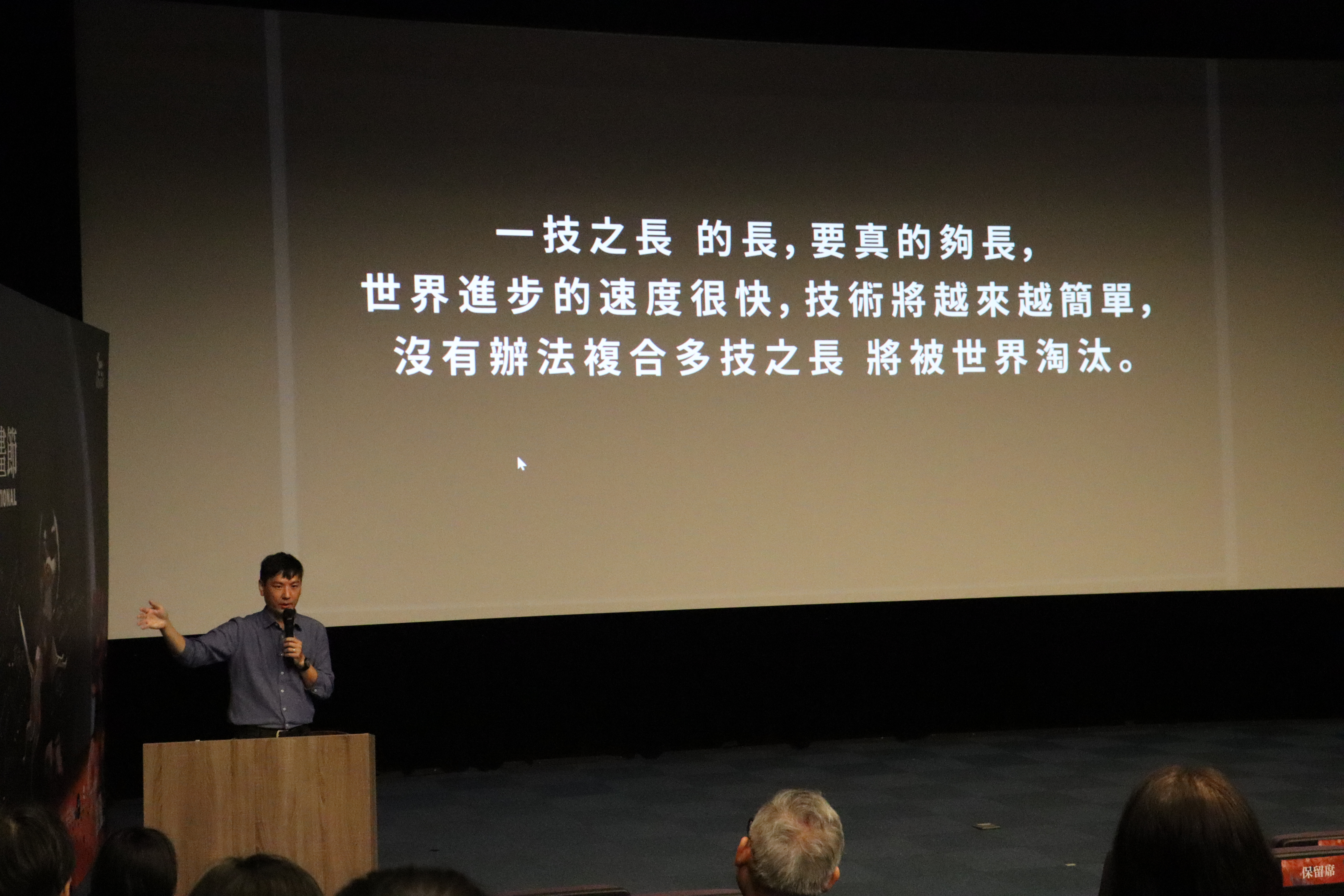
Four Shifts in Creative Mindset
Chuang concluded with four principles that define his creative philosophy:
- Believe in your potential — from ‘I can’t’ to ‘I want to know’.
He began as a graphic designer but, believing the future would be “a world of motion,” taught himself animation. His mindset: “I can’t, therefore I want to know, therefore I learn.” - The importance of hybrid skills.
In a fast-changing era, relying on one skill is risky. Stay strong, flexible, and up-to-date. Combining multiple skills allows creators to adapt and survive. - Depth over dabbling.
In an age of information overload, we often confuse bookmarking with learning. Chuang urges creators to truly see, think, and do deeply—to go beyond surface understanding and achieve excellence through steady accumulation. - Raise your head while working hard.
He redefines “working hard” as “looking up while working hard”—mastering craft while also observing trends, understanding business, and finding ways for your work to connect with the world.
Connecting the Dots
Looking back, Chuang’s journey embodies Steve Jobs’ idea of “connecting the dots.” Every doodle, failed attempt, and commercial project may seem unrelated now, but eventually, they align into a coherent whole—shaping a stronger creative future.