
From Motion Capture to Contemporary Art: A Collaborative Visit by the TNUA Animation Department to NTNU
From Motion Capture to Contemporary Art: A Collaborative Visit by the TNUA Animation Department to NTNU
Written by Chiang Ming-Feng
May 6, 2025
The Animation Department of the Taipei National University of the Arts (TNUA), as part of its Kuandu Animation Festival initiative, recently visited National Taiwan Normal University (NTNU) for an academic exchange. The visit aimed to explore the latest developments in animation production technologies and gain insight into emerging trends in contemporary art.
Metaverse Motion Capture Lab: Bridging Virtual Production, Motion Capture, and AI
The first stop of the visit was NTNU’s Metaverse Motion Capture Lab, where the TNUA team was introduced to cutting-edge innovations in virtual production, motion capture, and artificial intelligence.
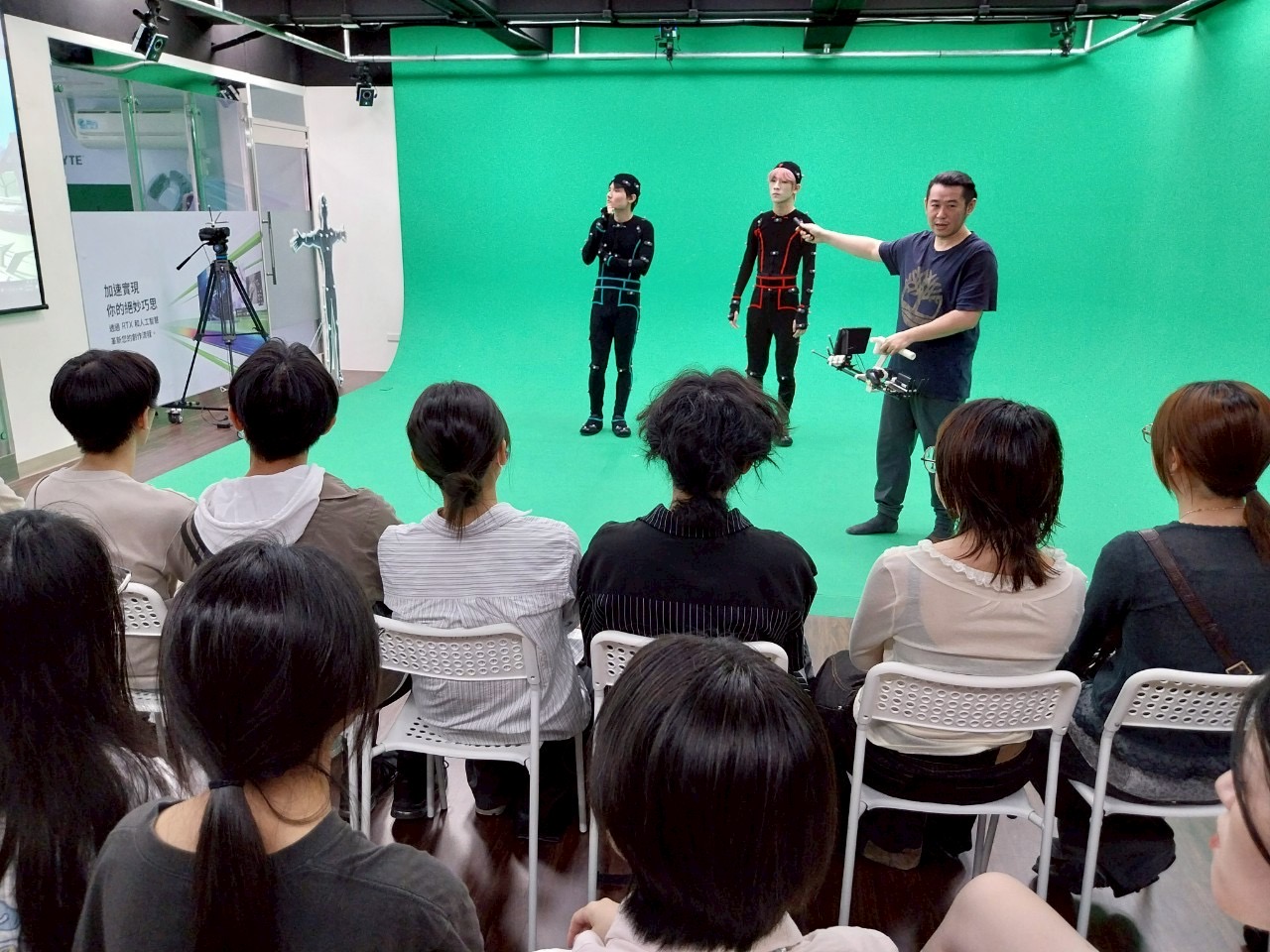
Through hands-on demonstrations, students experienced an integrated creative workflow that combines motion tracking, virtual cinematography, and AI-assisted content creation, gaining a deeper understanding of how these technologies are shaping the future of animation.
Motion Capture: From Physical Performance to Digital Animation
The core technology of the Motion Capture Lab lies in its fully integrated motion capture system. During the exchange, students observed professional actors in motion capture suits performing live, with their movements seamlessly mapped onto digital avatars in real time. These performances allowed for authentic character interactions and dynamic scene simulations. Compared to traditional keyframe animation, motion capture enhances realism and significantly improves production efficiency.
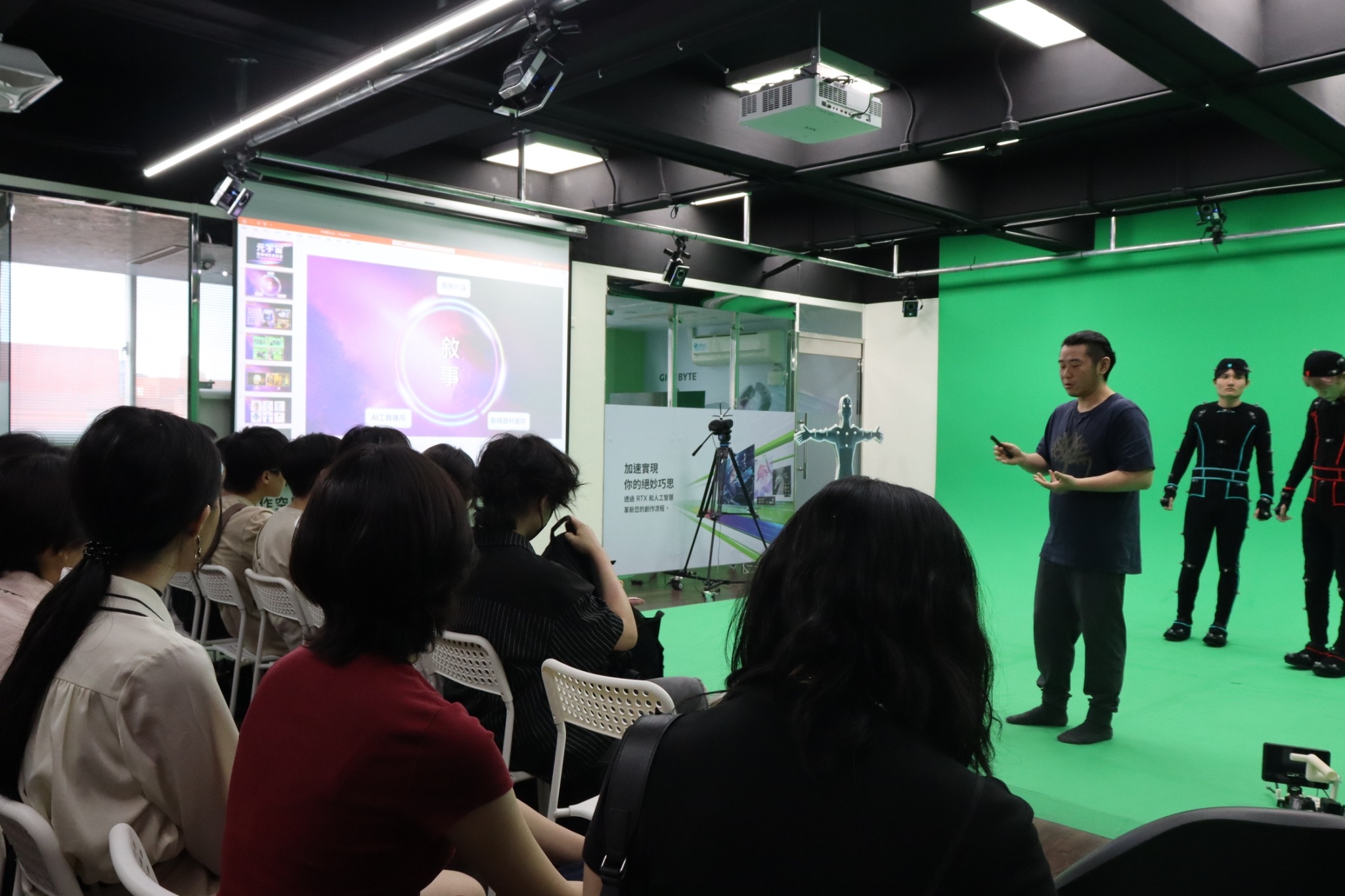
The demonstration of the motion capture devices.
Virtual Cinematography: Real-Time Visualization and Reduced Iteration Costs
The lab’s virtual camera system allows directors to view live performances through cinematic lenses, observing composition, camera movement, and spatial atmosphere as the scene unfolds. This real-time preview capability reduces communication gaps and post-production revisions, enabling more immediate creative feedback. Actors can tailor their performances to directorial cues, while filmmakers gain greater flexibility in shot design and storytelling.
MetaHuman and AI Integration: Lowering Barriers, Expanding Possibilities
Beyond full-body tracking, the lab also showcased facial motion capture technologies. Using just a smartphone and a dedicated app, students captured facial expressions and applied them to MetaHuman characters developed by Epic Games. Paired with AI-generated assets and automated modeling tools, this workflow empowers creators—regardless of their 3D experience—to rapidly develop virtual characters and bring their stories to life.
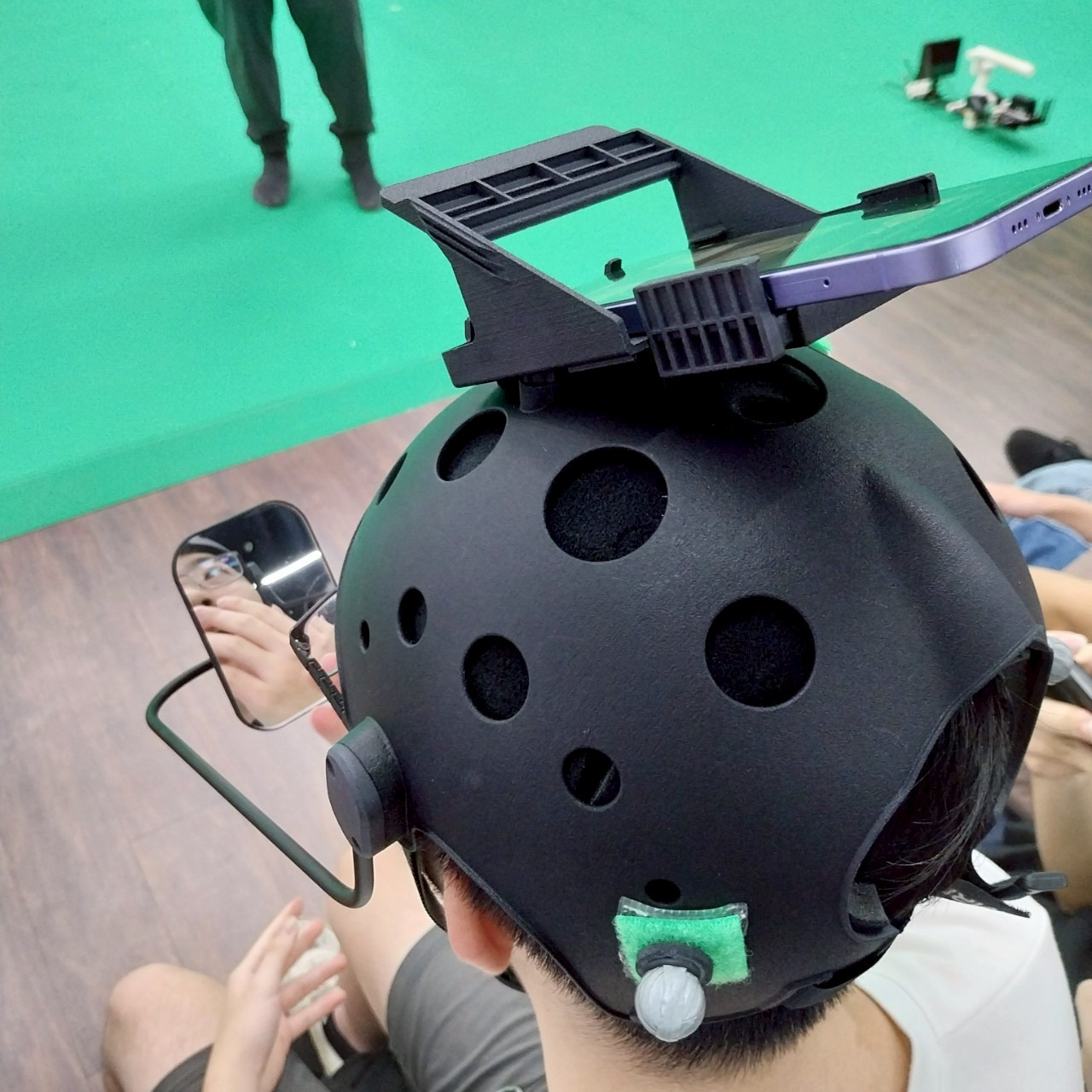
TNUA student trying facial motion capture device.
Open Learning Environment: A Creative Lab for the Next Generation
NTNU’s Metaverse Motion Capture Lab is more than a technical facility—it is a collaborative educational environment dedicated to cultivating new media and animation talent. With access to state-of-the-art hardware and expert support, students are encouraged to experiment and create. The lab actively fosters academic-industry partnerships, bridging the gap between theory and professional practice.
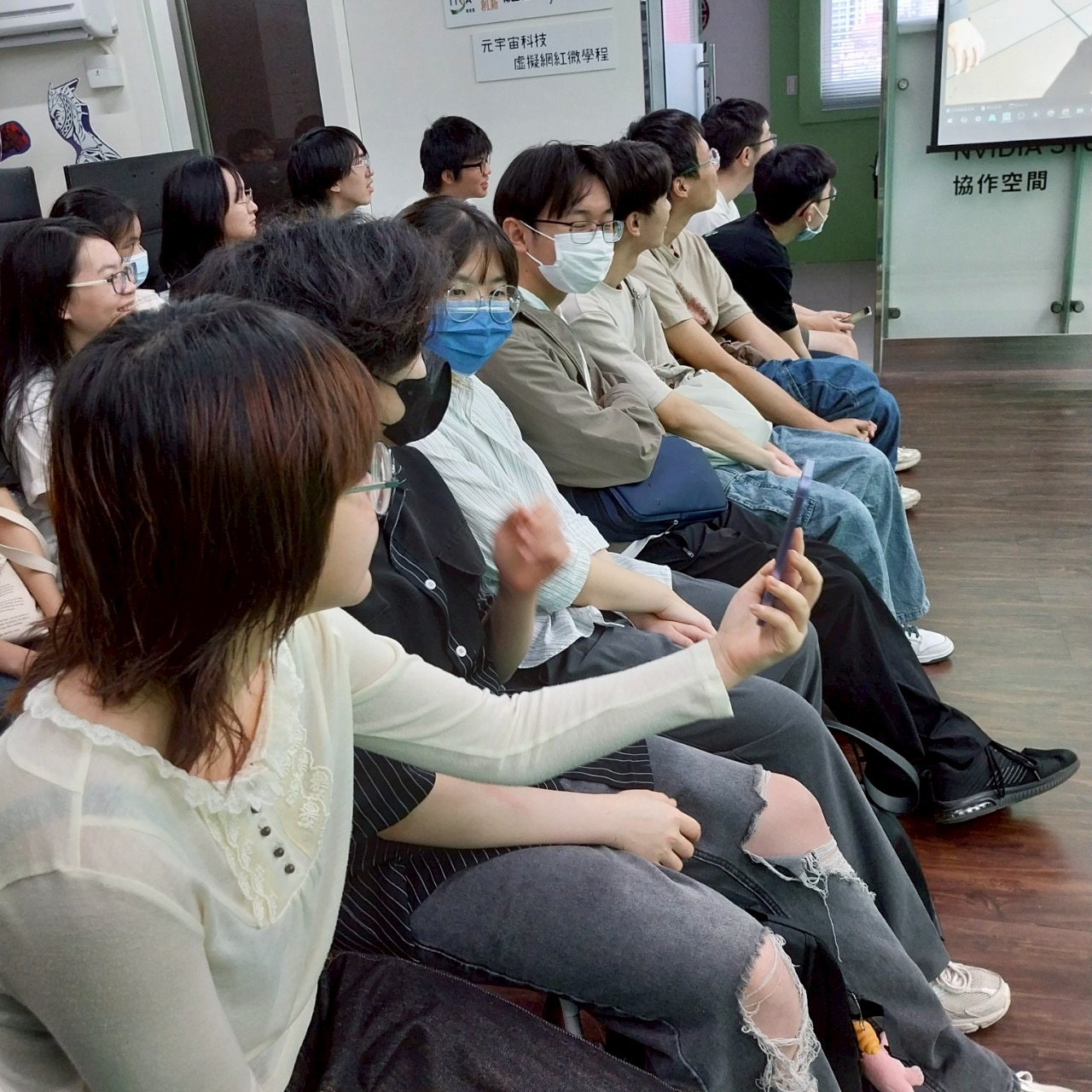
TNUA students during the visit of Metaverse Motion Capture Lab.
NTNU Art Museum: Oli Epp – Salty Snacks
Following the technology-focused visit, the TNUA team toured the NTNU Art Museum to view the solo exhibition Salty Snacks by British contemporary artist Oli Epp.
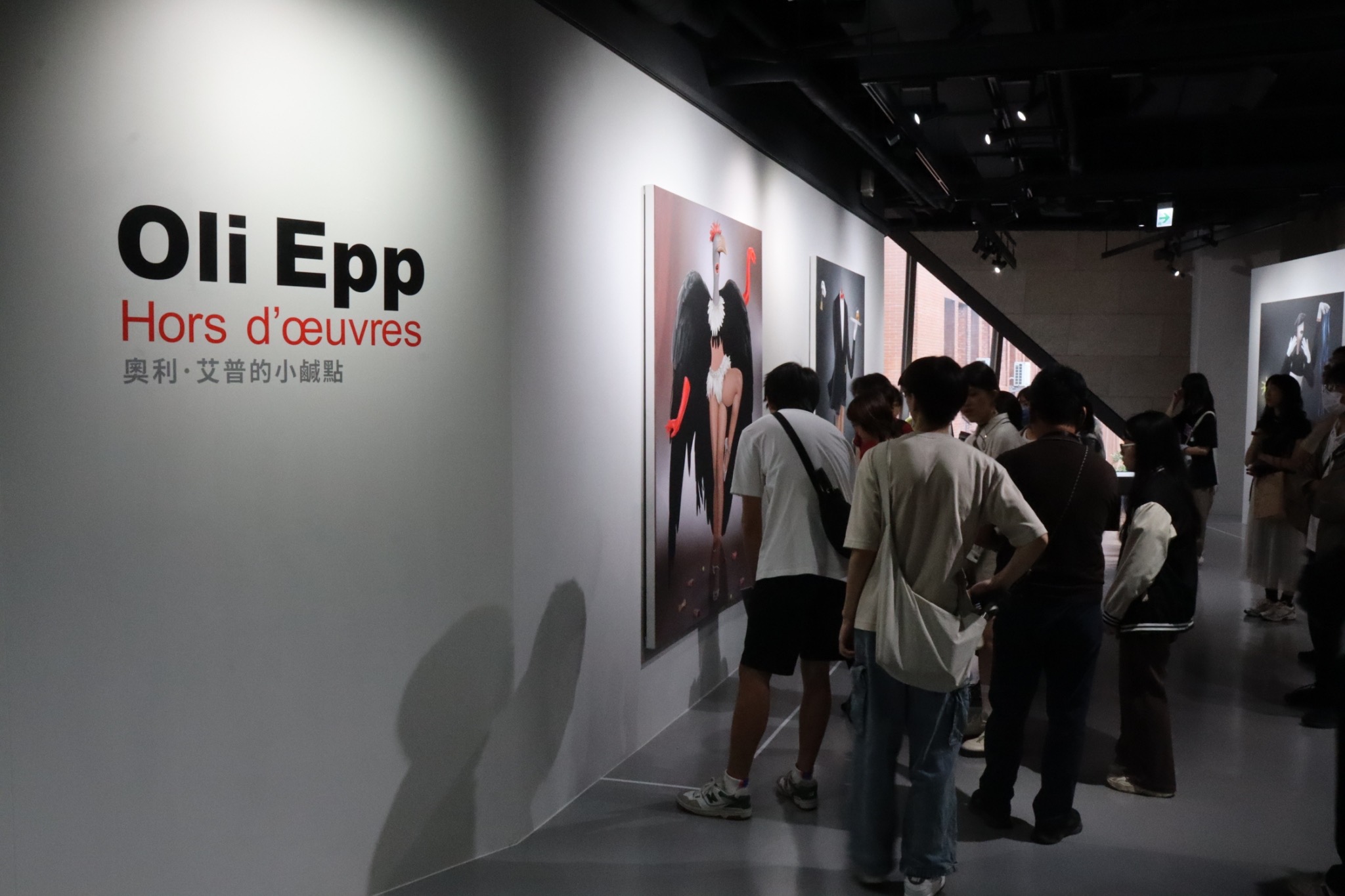
Guided by a museum docent, students explored Epp’s distinctive “clue-based portraiture,” a visual style characterized by stylized compositions featuring carefully arranged objects, postures, and symbolic elements. These paintings offer narrative depth, revealing characters' personalities and inner states while constructing an allegorical visual language that invites interpretation.
This encounter with contemporary art deepened the team’s appreciation of how stylization and symbolism can reflect social realities and emotional complexity. It also inspired reflections on how such artistic strategies might inform animation practices—encouraging the use of abstract visual metaphors and symbolic storytelling in character development and narrative design.