

International Lecture__Toons and Tunes
Date & Time: 10/30 (THU) 13:30~15:10
Location: Literary Arts Ecology Hall K301
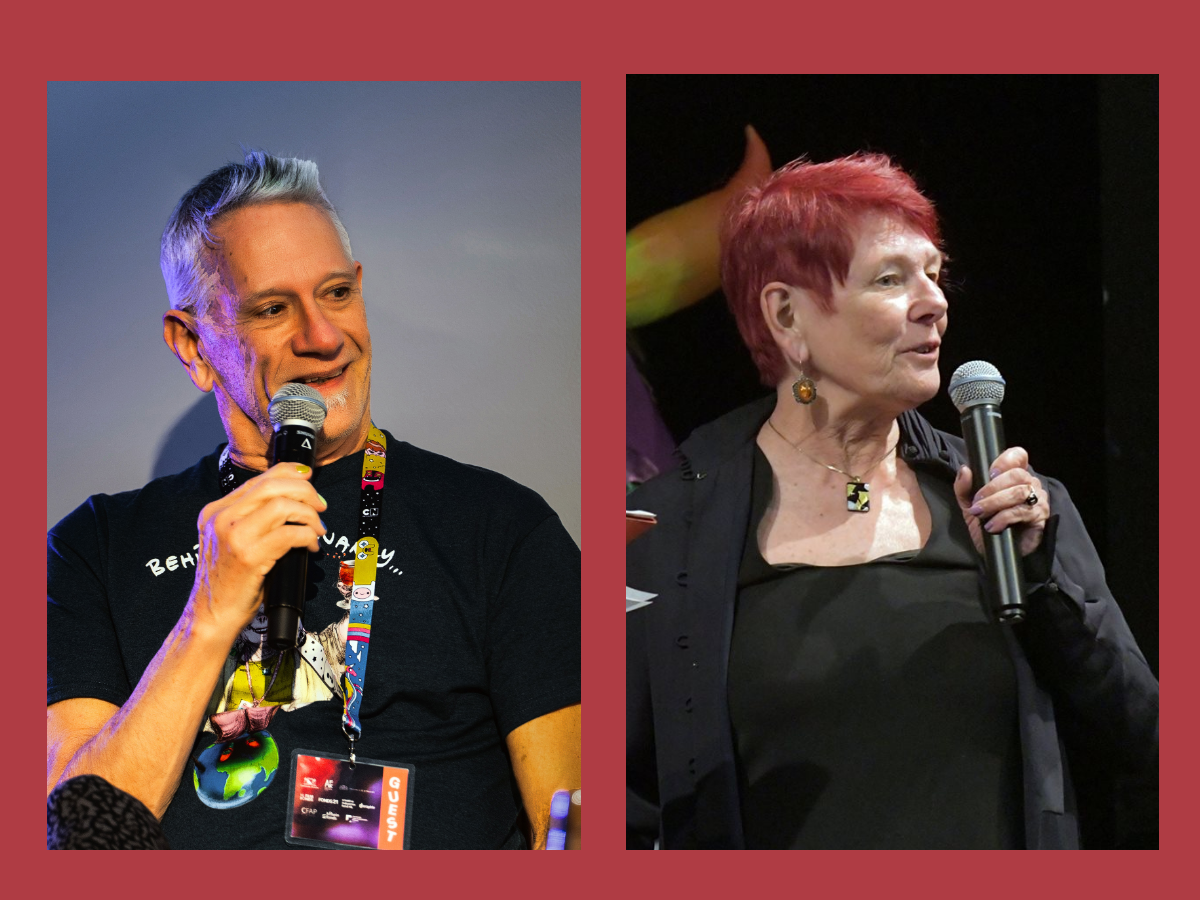
Keynote Speaker: Nik Phelps, Nancy Denney-Phelps
Born in Texas, composer/musician Nik Phelps now lives and works in Gent, Belgium. He has played with musical artists as diverse as Eric Johnson and Lou Rawls, Frank Sinatra and They Might Be Giants, Frank Zappa and Mary Martin. He recorded for over 10 years with Tom Waits, playing on three soundtracks and five CDs.
He began working with film music in 1988 with the Club Foot Orchestra, the influential San Francisco soundtrack group that was the premiere modern silent film orchestra. Since 1995, he has been working in the animation world and was nominated for an Annie Award for his music for the CBS TV series The Twisted Tales of Felix the Cat. In 1996, he founded the Sprocket Ensemble, a project combining live music and animated film.
He is active in the animation scene, creating music and sound for animators such as Nina Paley, Bill Plympton, Lei Lei, and Ivan Maximov. Nik enjoys working with directors of all ages in the field of music and sound design, and working with schools, forums, and festivals, conducting workshops dealing with performance technique and the creative process.
He has been a jury member at numerous animation festivals and is currently involved in giving Performance for Pitching workshops at pitching forums throughout Europe.
Nancy Denney-Phelps is a journalist writing about European animation and festivals, as well as a producer of music for animation. Along with her composer/musician husband, Nik Phelps, she co-founded the Sprocket Ensemble dedicated to presenting live performances of original music with screenings of contemporary animation from around the world.
Nancy's writings have appeared in such publications as CARTOON and ANIMATOON, and she writes the Sprockets blog for AWN (Animation World Network). She is also a regular correspondent for ASIFA/San Francisco, a member of the ASIFA International Board of Directors, and an Ambassador At Large for the Emile Awards.
Nancy has served on numerous International Animation Festival juries and taught time management for animators at the Lucerne University of Applied Sciences and Arts, School of Art and Design. She is the pitching coach at ANIMARKT in Lodz, Poland, and is a member of their Brain Trust Advisory Board. She also awards the annual Nancy Award at the Kaboom Animation Festival in Amsterdam. Her strong interest in the history of animation has led her to present programs on the history of animation traced through music at many animation festivals and conferences worldwide. She also works as an advisor to several animation festivals, and in 2019, she received a Lifetime Achievement Award from ANIMAKOM Animation Festival in Bilbao, Spain. In 2023, Nancy received a Lifetime Achievement award from the Paris International Animated Film Festival.
In Toons and Tunes, composer Nik Phelps and journalist Nancy Denney-Phelps take audiences on a captivating journey through animation history, exploring the deep interplay between music and animation. Along the way, they engage in lively discussions about the stylistic visions of directors and composers, sharing illuminating stories and intriguing insights into film production. Through their company, Sprocket Productions, they foster a passion for animation and music, with Nik crafting dynamic original compositions for animators and Nancy writing about the animation festival scene.
Writer: Yu-Chang, Chen
Nowadays, sound and animation are often inseparable. While dazzling or distinctive visuals can attract viewers, it is the music that truly brings characters and stories to life. In this special lecture, speaker Nik Phelps, as an experienced animation composer, revisited the development of animation and its music from 1929, using more than ten animated shorts as a basis to share his unique insights into nearly a century of animation scoring.
The Origin of Music-Animation Integration: The Concept of Silly Symphonies
In 1929, Walt Disney released Steamboat Willie, the first synchronized-sound animation that successfully integrated sound and visuals. During its production, he invited an old friend to play the organ, who proposed the concept of a “silly symphony,” combining music with animation.
Previously, music served mainly to accompany visual actions, but the silly symphony concept elevated music to the central narrative and structural core. Animators designed movements according to the written score, achieving an unprecedented synchronization of sight and sound. This eventually led to the creation of the Silly Symphony series. According to the Phelps, 1929 marks the birth of animation scoring.
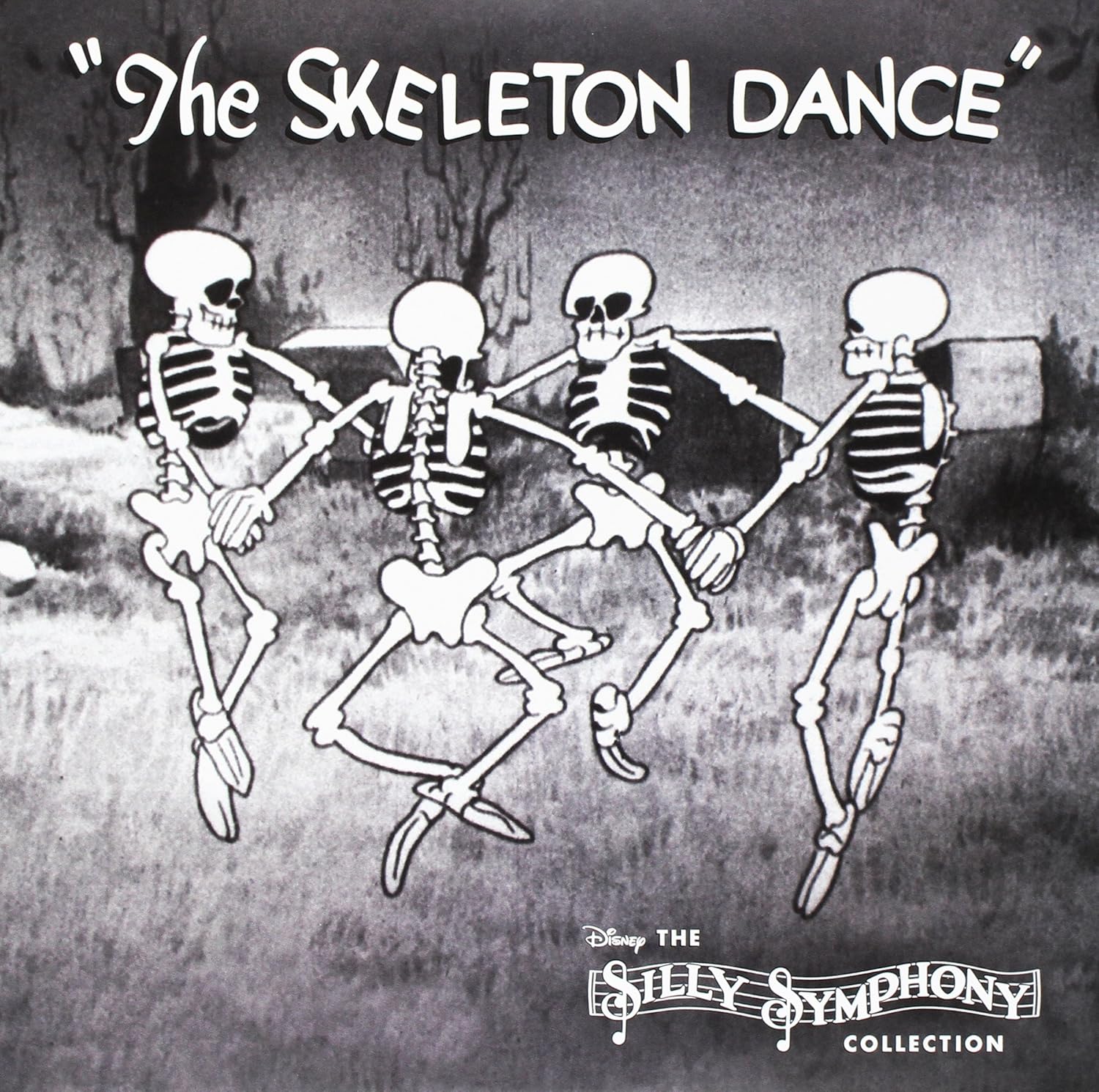
The first work of the series, The Skeleton Dance (1929), demonstrates characters moving in perfect harmony with the music, producing a strongly rhythmic and immersive audiovisual experience.
Entertainment vs. Artistic Expression: The Exploration of Music in Western Animation
The speaker noted that early American animation focused on entertainment and storytelling, using music and rhythm to enhance humor and story pacing. For example, Betty Boop: Minnie the Moocher (1932), produced by Fleischer Studios, prioritized audience appeal over artistic experimentation.
In Europe, animation was interpreted differently, often approaching music and visuals as parallel artistic languages. In La Joie de Vivre (1934), by Courtland Hector Hoppin and Anthony Imre Alexander Gross, the graceful movements of female dancers are central, integrating rhythm, melody, and flowing motion. Influenced by French Impressionism and Russian animation, this work relies less on narrative and more on musical dynamics to guide imagery.
Post-1950s: New Interpretations Enabled by Technology
With technological advances in the U.S., widescreen and stereophonic sound changed the viewing experience. Disney’s Toot, Whistle, Plunk and Boom (1951) exemplifies this shift.
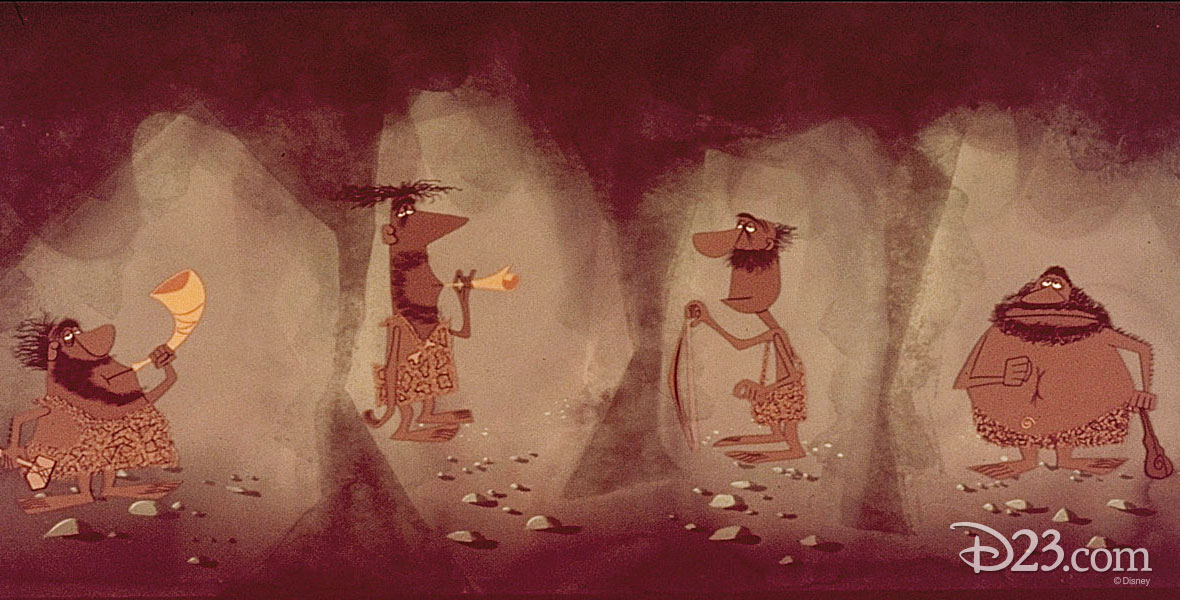
Toot, Whistle, Plunk and Boom (1951) was the first animation to use widescreen and stereophonic sound. The film combined music education with visual experimentation, presenting the development of Western instruments in an entertaining way. Influenced by the Space Age aesthetics, it employed simplified geometric shapes and rhythmic compositions corresponding to different instrumental timbres, achieving a unified audio-visual experience. Sound drives both the images and narrative, allowing the audience to almost “see” the music.
Subsequent works include After You’ve Gone (1946), which continued the visualization of a string quartet; Synchrony (1971, Canada), which used abstract black lines to represent notes and chords; Furies (1977); and Nik Phelps’ own composition for Fetch (2000), exploring interactions between timbre, rhythm, and form.
Q&A: Collaboration Between Music and Story
In the lecture Q&A, the speaker emphasized three ways to integrate music with story: music-first, story-first, or simultaneous development. He noted that commercial productions often face time and budget constraints, causing music to be created hastily at the last minute, which can reduce audiovisual precision and overall impact. Therefore, early collaboration is essential to achieve effective music-animation integration. He recommended that directors and composers continually experiment and adjust, making music not merely an accompaniment but a narrative element that breathes with the story and characters. Phelps also recommended The Animation Trail 20 Years of Animation Festival as a reference to help creators understand different strategies and practical approaches for integrating music and animation.
